Vanlife Hacks
Starlink Mini: Internet for Van Life, RVs, Boats, Off-Grid Homes
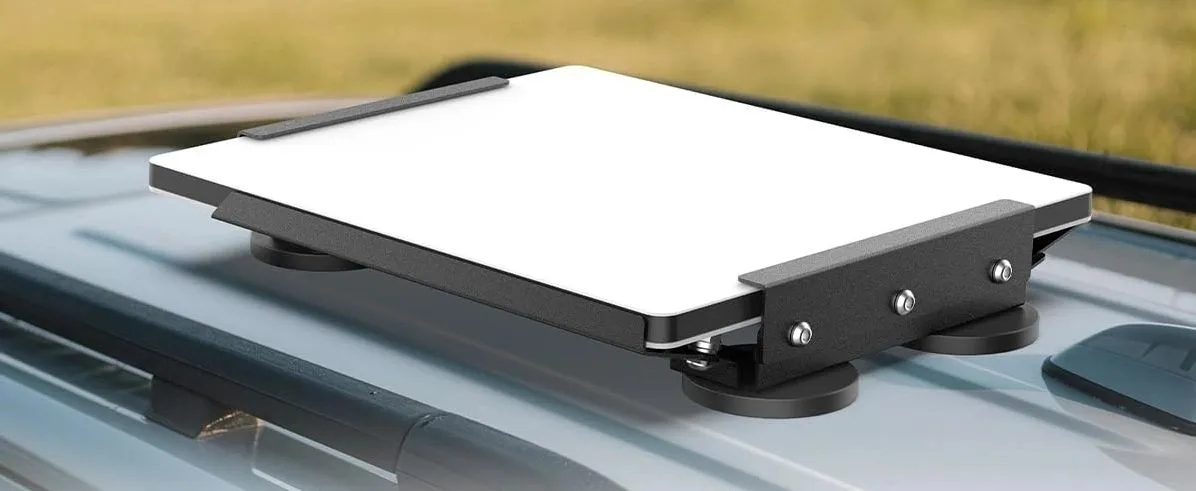
The best solution to Internet for Van Life, RVs, Boats, Off-Grid Homes & Remote Living
Starlink Roam: Complete Guide to Mobile Satellite Internet
Claim your free trial and discounted kit via our Link Here
What is Starlink Roam?
Starlink Roam is a mobile satellite internet service designed for people who need connectivity while on the move. Unlike traditional home broadband that requires a fixed location, Starlink Roam uses SpaceX's constellation of low-orbit satellites to provide coverage virtually anywhere on Earth—including remote rural areas, oceans, and mountains.
It's particularly popular among van lifers, RV travelers, boating enthusiasts, and remote workers who refuse to be tethered to a desk or a single location.
Key Difference: Starlink Roam is designed for movement and portability, whereas standard Starlink (Starlink Standard or Pro) requires a fixed installation at a residential or business address.
How Does Starlink Roam Work?
Starlink Roam uses a flat, portable satellite dish that communicates with SpaceX's satellite network. Here's the workflow:
\1. Deploy the dish (on your van roof, boat, RV, or outdoor space)
\2. Connect power via a 12V converter or battery
\3. Pair the WiFi and access internet instantly
\4. Move to a new location and repeat—no need to contact support or reschedule installation
Performance: Users report speeds of 100–250 Mbps download, 10-25 Mbps upload, with latency around 20–40ms—making it suitable for streaming, video calls, and remote work.
Perfect For: Vans, RVs, Boats & Off-Grid Homes
Van Life & Van Conversions
If you're building a camper van, Sprinter conversion, or tiny home on wheels, Starlink Roam is a game-changer. Roof-mount the dish, integrate it into your 12V electrical system, and you have reliable internet wherever you park. Ideal for content creators documenting their journeys, digital nomads working remotely, and explorers who want to stay connected without sacrificing adventure.
RVs & Motorhomes
Recreational vehicle owners benefit enormously from Starlink Roam. Whether you're parked at a campground or boondocking in the wilderness, you're not dependent on campground WiFi (which is often slow or unreliable). Stream entertainment, video conference, or browse the web from anywhere.
Boats & Marine Use
Sailors, liveaboards, and fishing boat captains can now stay connected offshore. Starlink Roam works at sea, providing connectivity in areas where traditional marine internet is limited. Perfect for safety, navigation updates, weather monitoring, and entertainment while at anchor.
Remote & Off-Grid Homes
Rural homeowners without access to cable or fiber broadband use Starlink Roam as a primary internet solution. Whether you're living off-grid, on farmland, or in a mountain cabin, satellite internet bridges the connectivity gap that traditional providers ignore.
Temporary Installations & Disaster Recovery
Event organizers, construction crews, disaster relief teams, and temporary remote offices deploy Starlink Roam for quick, portable connectivity. No infrastructure required.
Starlink Roam vs Traditional Home Broadband
Here's how Starlink Roam stacks up against cable, fiber, and DSL broadband:
Coverage Area
- Starlink Roam: Anywhere with clear sky view
- Home Broadband: Limited to service lines
Installation
- Starlink Roam: Plug-and-play, 30 minutes
- Home Broadband: Technician visit, days to weeks
Mobility
- Starlink Roam: Move it wherever you go
- Home Broadband: Tied to a fixed address
Download Speed
- Starlink Roam: 100–250 Mbps
- Home Broadband: 50+ Mbps typical
Latency
- Starlink Roam: 20–40ms (good for gaming/calls)
- Home Broadband: 10–20ms
Monthly Cost
- Starlink Roam: from £50 (Roam plan)
- Home Broadband: From £25 (varies)
Data Limits
- Starlink Roam: 50GB or Unlimited options
- Home Broadband: Often unlimited, some throttle
Weather Impact
- Starlink Roam: Heavy rain may reduce speed
- Home Broadband: Mostly unaffected
Bottom Line: Starlink Roam trades some speed for unlimited portability and coverage. It's faster than home broadband in rural areas but slightly slower than fiber in urban centers. For van life, boating, and off-grid living, it's unbeatable.
Installation & Setup
Hardware You'll Need
- Starlink Roam Dish: Flat, portable satellite antenna (~10 lbs)
- WiFi Router: Included with Starlink kit
- Power Source: 12V converter (for van/RV) or 230V (for homes)
- Mounting Hardware: Roof mounts, brackets, or portable stand (sold separately)
Step-by-Step Installation
\1. Choose a location: Clear view up high on your vehicle, it will need clear view of the sky
\2. Mount the dish: Use a roof mount (van/RV), tripod, or magnetic stand
\3. Run power: Connect to your 12V system (van) or 110V outlet (home)
\4. Connect the Starlink: wait 2–5 minutes for satellite lock
\5. Download the app: Use the official Starlink app to monitor signal strength and speed
Pro Tip for Van Conversions: Integrate the dish power into your main 12V bus bar. Use a 12V converter to step down from your leisure battery system. This keeps your electrical setup clean and efficient. For a Sprinter XLWB or similar, budget ~100W for the dish during active use.
Common Installation Challenges
- Obstructions: Trees, buildings, or metal structures block signal. Choose your camping/parking spot carefully.
- Water Damage: Protect the dish from rain during long-term outdoor use. Many users add weatherproof covers.
- Theft Risk: The dish is desirable. Use security cables or remove it when unattended.
- Power Draw: The dish + router can draw 100–150W. Ensure your battery or power supply can handle it.
Hardware Costs at time of writing: under £250.00
- Starlink Roam Kit (Dish + Router): ~£179.99
- Mounting Hardware (Roof Bracket, Stand): £39.99
- 12V Converter (for van): £25.99
- Cabling & Connectors: Included
Frequently Asked Questions (FAQ)
Is Starlink Roam available in my area?
Starlink Roam is available in most populated areas worldwide. Check the official Starlink coverage map at starlink.com/map. For UK users, coverage is excellent across England, Scotland, Wales, and Northern Ireland. Rural areas like Devon's Jurassic Coast have strong satellite visibility.
What internet speeds will I get with Starlink Roam?
Typical speeds are 50–250 Mbps download and 5–25 Mbps upload. This is significantly faster than traditional 3G/4G mobile data and comparable to many home broadband connections. Speeds vary based on satellite availability, weather, and network congestion. For streaming (Netflix, YouTube), video calls (Zoom, Teams), and remote work, these speeds are more than adequate.
Can I use Starlink Roam while driving?
Yes. Starlink Roam operates whilst driving up to 100 mph, It's ideal for van lifers who camp and work from one location for days or weeks.
Does Starlink Roam work on boats?
Yes. Starlink Roam is specifically designed to work at sea, at anchor, or while docked. The flat dish is marine-compatible, and you can integrate it into a boat's 12V or 24V electrical system. It provides connectivity offshore where traditional marine internet services are limited or expensive.
What happens in bad weather?
Heavy rain and thick clouds can reduce signal strength and speed. Most users experience slight slowdowns during rain but not complete outages. The dish is weather-sealed. For long-term installations (van, boat, off-grid home), invest in a weatherproof cover or protective housing.
What's the difference between Starlink Roam and standard Starlink?
Starlink Roam: Portable, mobile-friendly dish; slightly lower speeds; designed for movement. Standard Starlink: Fixed installation at one address; higher speeds; more stable for homes and businesses. Choose Roam if you travel; choose Standard if you have a fixed location and want maximum performance.
How much power does Starlink Roam draw?
The Starlink Roam dish draws approximately 40–50W during operation, and the router draws 15–20W. Total: ~60–70W continuous, up to 100W during peak usage. For a van with a 200Ah 12V leisure battery, this translates to 5–8 hours of continuous use on battery alone. Most van builders recommend pairing Starlink with solar panels and a quality battery management system.
Can I integrate Starlink Roam into my van's 12V electrical system?
Yes. Starlink ships with a USBC connector but you can use a quality 12V converter to integrate it into your van's main electrical bus. Many van builders run the dish and router off a dedicated 12V circuit with its own fuse and breaker. For a Sprinter XLWB or similar conversion, budget 100–150W for the Starlink system when drawing power.
Is Starlink Roam more expensive than mobile hotspots?
Starlink Roam is more expensive than some mobile hotspot plans (£20–40/month), but it's significantly faster and more reliable. Mobile hotspots are prone to throttling, network congestion, and weak rural coverage. For remote workers and content creators, Starlink's reliability justifies the cost. For light users, a mobile hotspot may suffice.
Can I get Starlink Roam in the UK?
Yes. Starlink Roam is available across the UK, including rural Devon, Scotland, Wales, and Northern Ireland. UK pricing is competitive, and the service is particularly valuable for users in underserved rural areas where Ofcom-regulated broadband providers offer poor or no coverage. Check starlink.com/uk for current UK availability and pricing.
What is latency, and why does it matter?
Latency is the time (in milliseconds) it takes data to travel from your device to the satellite and back. Starlink Roam has latency of 20–40ms, which is excellent for satellite internet and suitable for gaming, video conferencing, and real-time applications. Traditional satellite internet (geostationary, 22,000+ miles high) has 600+ ms latency; Starlink's low-Earth orbit constellation is a game-changer.
How long does it take to set up Starlink Roam?
Initial setup takes about 30 minutes: unbox, mount the dish, connect power, and wait for satellite lock (2–5 minutes). Thereafter, deploying and getting online at a new location is even faster. This is dramatically quicker than traditional broadband, which can take weeks to install.
Can I pause my subscription for Starlink Roam?
Starlink Roam is month-to-month with no long-term contract. You can pause anytime and just pay under £5 per month for low data mode For van lifers and remote workers, the flexibility is a huge advantage over traditional 4G or 5G solutions.
What if I want to cancel Starlink Roam?
Starlink Roam is month-to-month with no long-term contract. You can cancel anytime, though there's no refund for the dish hardware (one-time cost ~$600). For van lifers and remote workers, the flexibility is a huge advantage over traditional broadband providers.
Claim your free trial and discounted kit via our Link Here
If you are looking for advice for your Van build check out my Van Conversion page